Learn the craft.
Free lessons on plot, character, and the writing life — every one of them ends where your novel begins.

The Author’s Guide to Direct vs. Indirect Characterization
What's the difference between direct and indirect characterization? And is one better than the other? Here are the answers you've been looking for.
How to Tell a Good Story and Unlock a New Superpower
Always wanted to know the secret to telling a good story? This guide lays it all out for you.

The Writer’s Complete Guide to Symbolism in Literature
A symbol is a powerful device for communicating complex themes and revealing your character's deeper layers. Here's everything you need to know about symbolism in literature, plus a ton of symbolism examples.
The Essential Literary Devices List for Legit Writers
What is a literary device? And how can it help you write a better story? Discover everything you need to know about building your author toolbox.
How to Design a Sci-Fi Spaceship: A Complete Guide for Authors
Spaceships are a cornerstone of the sci-fi genre, and they're incredibly fun to create and write. In this article, we do a deep dive into everything you need to consider when writing your spaceships.
How to Write a Narrative Poem: Master an Ancient Craft
Looking for tips on how to write an engaging story all in verse? You'll find everything you need to know in this article, from crafting your narrative to managing your meter.
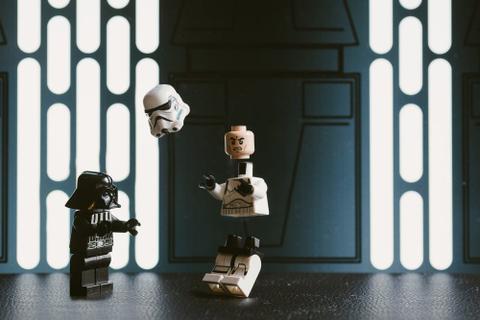
Building the Big Bad: Don't Forget the External Conflict in Your Novel
Conflict. It’s the lifeblood of any story. Without it, all you’ve got is a bunch of people wandering around aimlessly. Conflict is the source of tension, excitement, suspense, and drama. It drives your plot, gives your characters motivation, and sometimes allows you to hold up a mirror to the world.
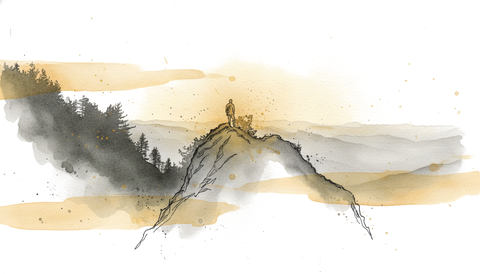
How to Write an Adventure Story That Leaves ‘Em Breathless
You want to know how to write an adventure story—the kind of heart-pounding saga that keeps readers up until the wee hours, whispering, “Just one more chapter,” until their eyes dry out. Well, this is how it's done.

Coming Up with Character Names and Why They Matter
While they can seem random, cliché, or epic, a surprising amount of thinking should go into what you name your characters. In this article, we break down why names are important, what you need to consider when picking one, and how to name your fictional characters.

What's the Point of a Foil Character in Literature?
Maybe you've heard of foil characters before, but what exactly do these types of characters do? How can you make a good one? Don't worry, we cover everything you need to know about foil characters in this article.
How to Become an Author and Build a Successful Career
Not sure how to become a successful author—or if it's even possible? Learn exactly what it takes to make it as a writer.

The Totally Learnable Art of Writing Funny Characters
Funny characters are more than wit or absurdity. These fictional beings are hilarious because they're deeply human. Here's everything you need to know about writing funny characters your readers will remember forever.
Single Quotes: Why They Exist and When to Use ‘Em
What's the point of single quotation marks? Why do some authors seem to use them constantly and others only use them every now and then? It's not just a style choice; there are actual rules at play. And we're about to tell you everything you need to know.

The Best Examples of Good Dialogue for Fiction Writers
Great stories contain great dialogue. But writing good dialogue isn't easy, so we're going to cover what makes for good dialogue, why it's important, and cover examples of good dialogue in pop culture.

The Author's Guide to Writing Fantasy Characters
Fantasy stories are epic tales filled with interesting and compelling characters, but coming up with that cast of imaginary people can be difficult. We cover everything you need to write your fantasy characters in this guide.

Character Diction: The Writer’s Secret for Stellar Dialogue
Diction is about so much more than choosing the right words. This aspect of your writing can help you create engaging characters with realistic voices. Here's how.

The Central Idea Definition Writers Actually Need to Know
What is a central idea? There's more than one definition out there, but if you're asking as a fiction writer, there's only one you need to know. This quick guide has the clarity you're looking for.

What is Dark Fantasy? Your Guide to Literary Devastation
Learn how to write dark fantasy, the subgenre that invites you to explore nightmarish landscapes, meet darkly complex characters, and ask unsettling questions about morality.
What is Flash Fiction? A Guide to Keepin’ It Short & Sweet
Flash fiction is an increasingly popular storytelling format and a great way for writers to sharpen their skills. But what makes this form different from short stories? And how do you fit a full narrative into such a small space? We've got all the answers here.
What is Falling Action? The Secret to a Satisfying Story
It can be tempting to phone in your falling action, but this element is essential for telling a story that leaves an impact. Learn what falling action is and how to master it.
Easy-Breezy Guide to All the Types of Characters in Fiction
Here's everything you wanted to know about all the types of characters in fiction. Learn how to define and write tertiary characters, protagonists, foils, and everything in between.
What's the Sitch with Situational Irony?
Literary devices are the tools authors whip out to add a little extra polish, a bit more pizazz to their writing. Situational irony is just one of those tools, a form of misdirection that will hook your readers until your last page.
Parallel Structure: The Little Grammar Trick That Packs a Punch
What is parallel structure? And why do fiction writers need to know about it? Here's an in-depth look at what this literary device can do for your storytelling skills.
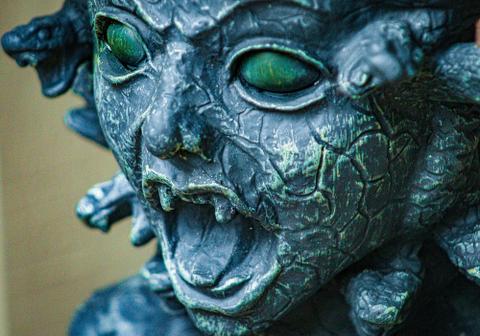
Author’s Guide to Fantasy Monsters, Creatures, and Humanoids
Need inspiration to fill out the corners of your world with magical beings, horrifying monsters, and everything in between? This list of fantasy creatures should do the trick.

225+ Descriptive Adjectives (And the Best Way to Use Them)
Descriptive adjectives can make your prose shine or drag your story down. It's all about how you use them. Learn what it takes to master adjectives and get a whole big pile of them to inspire your writing.